What Does the Bible Say About Helping the Poor?
Discover what the Bible says about helping the poor, caring for those in need, practicing generosity, and living out faith through compassionate action.
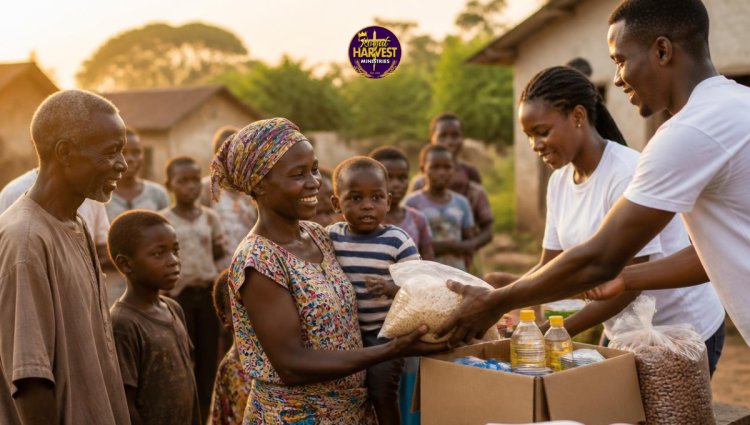
What does the Bible say about helping the poor? Scripture gives a clear and consistent answer: caring for people who are struggling is an important part of living out faith.
Throughout both the Old and New Testaments, God calls His people to show compassion toward the poor, hungry, widows, orphans, strangers, and others who are vulnerable. Helping those in need is not presented as an optional expression of kindness. It is repeatedly connected with justice, mercy, generosity, love, and obedience to God.
For Christians today, this teaching remains highly relevant. Poverty can affect access to food, education, housing, healthcare, and opportunities for a better future. While individuals and churches cannot solve every problem alone, believers can make a meaningful difference through prayer, generosity, volunteering, community outreach, and practical service.
Organizations such as Royal Harvest Ministries seek to put these biblical principles into action through faith-based outreach, education, resources, and compassionate support.
Quick Answer: What Does the Bible Say About Helping the Poor?
The Bible teaches Christians to care for the poor generously, compassionately, and without discrimination.
Verses such as Proverbs 19:17 teach that kindness toward the poor matters to God. Jesus also emphasized caring for people in need. In Matthew 25:35–40, He connected serving hungry, thirsty, sick, and vulnerable people with serving Him.
Biblical generosity is therefore more than simply giving money. It can include sharing food, providing practical assistance, defending the vulnerable, encouraging someone who is struggling, giving time, serving a community, and helping people develop opportunities for a better future.
The central message is simple: faith should produce love in action.
What Is Biblical Compassion for the Poor?
Biblical compassion means seeing people in need with dignity and responding with genuine love rather than judgment.
The Bible does not treat poverty as a reason to ignore someone. Instead, Scripture repeatedly encourages God's people to remember those who are vulnerable.
Deuteronomy 15:11 acknowledges that there will always be people in need and instructs God's people to be generous toward them. Proverbs 31:8–9 calls believers to speak up for those who cannot speak for themselves.
This gives Christians two important responsibilities.
First, believers should respond to immediate needs. This can mean providing food, clothing, shelter, financial assistance, or other practical resources.
Second, Christians should care about the conditions that keep people vulnerable. Education, employment opportunities, community development, spiritual encouragement, and sustainable support can help address deeper challenges.
Royal Harvest Ministries reflects this broader approach through initiatives involving education, community support, food assistance, youth development, and mission work. Its ministries include practical support for people such as widows, elderly individuals, sick people, and orphans.
Learn more about the organization's approach to serving communities through its ministries.
What Does the Bible Say About Helping the Poor?
God Calls His People to Be Generous
Generosity is one of the clearest biblical teachings concerning people in need.
Jesus taught His followers to give without seeking recognition. In Matthew 6:1–4, He warned against performing charitable acts simply to receive praise from others. Biblical generosity is ultimately about the condition of the heart.
Second Corinthians 9:7 similarly teaches that giving should come from a willing heart rather than reluctance or pressure.
This means Christian giving is not simply about the amount someone contributes. A small gift given sincerely can be an important expression of faith.
Jesus Taught His Followers to Serve People in Need
Jesus consistently demonstrated compassion throughout His earthly ministry. He fed hungry people, healed the sick, welcomed those who were overlooked, and showed mercy to people who were marginalized.
One of the strongest examples appears in Matthew 25:31–46. Jesus describes people who provide food to the hungry, drink to the thirsty, welcome strangers, clothe those in need, and visit the sick and imprisoned.
The lesson is powerful: serving people who are vulnerable is closely connected with serving Christ Himself.
Christian service, therefore, should not be limited to words. It should become visible through practical love.
Benefits of Helping the Poor Through Biblical Service
Helping people in need produces benefits that go beyond the immediate assistance provided.
It Demonstrates Christian Love
Jesus commanded His followers to love their neighbors. Practical compassion gives that command a visible expression.
A meal can communicate care. A school supply can support a child's education. A conversation can remind an elderly person that they are not forgotten. A volunteer's time can bring encouragement to a family experiencing hardship.
It Strengthens Communities
When people work together to help vulnerable members of a community, relationships become stronger.
Churches, ministries, volunteers, donors, and community members can combine their resources to address problems such as hunger, lack of educational resources, homelessness, and social isolation.
It Reflects the Character of God
Scripture repeatedly describes God as compassionate, just, merciful, and attentive to those who are vulnerable.
When Christians serve others with humility, they demonstrate something about God's character to the wider community.
What to Expect When Helping People in Need
Helping the poor is meaningful, but effective service requires thoughtfulness and consistency.
Step 1: Start With Prayer and Understanding
Before deciding how to help, pray for wisdom and take time to understand the needs of the people or community involved.
Not every situation requires the same solution. A family facing food insecurity may need immediate meals, while a young person may benefit more from educational resources and mentorship.
Listening is an important part of serving well.
Step 2: Choose a Practical Way to Serve
There are many ways Christians can help.
You might donate resources, volunteer your time, prepare meals, support educational programs, participate in a mission trip, pray for people in need, or partner with an established Christian organization.
Royal Harvest's projects provide examples of how faith-based initiatives can combine spiritual encouragement with practical community support.
Step 3: Serve With Humility and Consistency
Christian service should preserve the dignity of the people receiving assistance.
The goal is not to make ourselves look generous. It is to love people well.
Whenever possible, sustainable support can also be valuable. Helping someone today matters, but creating opportunities for education, skills, leadership, and long-term development can help communities build greater resilience.
Helping the Poor Through Christian Outreach
Christian outreach can bring together spiritual care and practical assistance.
The Bible does not require Christians to choose between sharing the Gospel and meeting physical needs. Jesus demonstrated compassion for the whole person.
This can mean providing food while offering fellowship and prayer, supporting education while encouraging spiritual growth, or participating in community development while sharing the hope of Christ.
Royal Harvest Ministries describes its mission as empowering communities through faith, education, and resources. Its work includes support for food distribution, education, youth development, missionaries, and vulnerable people.
For Christians looking for ways to turn their beliefs into practical action, learning about established Christian ministries can be a helpful starting point.
Helping the Poor in Ghana and Around the World
Poverty is a global issue, and Christians can respond both locally and internationally.
In Ghana, for example, communities can face challenges involving food security, education, infrastructure, and access to essential resources. Faith-based organizations can play a role by combining local relationships with volunteers, donors, churches, and mission partners.
Royal Harvest Ministries is involved in work connected with communities in Ghana, including its Harvest Headquarters project in Dodowa. The organization describes the location as a place where training, community care, and youth development can come together.
Its broader mission also includes building churches, supporting education, providing resources, and empowering communities.
You can learn more about the ministry's purpose and background on its About Us page.
Why Choose Faith-Based Community Support?
Christians who want to help the poor have many options. They can serve through their local church, volunteer independently, support nonprofit organizations, participate in missions, or provide financial assistance.
A faith-based organization can offer a distinctive approach because practical service is connected with Christian values such as compassion, dignity, prayer, stewardship, and love.
However, responsible giving matters. Before supporting an organization, consider its mission, transparency, programs, leadership, and approach to serving communities.
Royal Harvest provides opportunities to donate, volunteer, pray, and partner with its mission. Its website also describes its commitment to supporting underserved communities through mission work.
If you are ready to contribute financially, you can explore the giving and donation options available through Royal Harvest.
Frequently Asked Questions
What Bible verse talks about helping the poor?
Several Bible passages address helping the poor. Proverbs 19:17, Deuteronomy 15:7–11, Isaiah 58:6–10, Matthew 25:31–46, Luke 12:33, and James 2:14–17 are among the passages Christians often study when considering biblical generosity and compassion.
Does the Bible say Christians should give money to the poor?
Yes. Scripture repeatedly encourages generosity toward people in need. However, biblical giving is broader than financial donations. Christians can also give their time, skills, food, encouragement, hospitality, and practical assistance.
Why is helping the poor important to Christianity?
Helping people in need is important because Christianity teaches believers to love their neighbors, show mercy, practice generosity, and follow the example of Jesus. Serving vulnerable people can be a practical expression of faith.
How can I help the poor as a Christian?
You can begin by identifying needs in your local community. Consider volunteering, supporting a food ministry, helping with education, giving responsibly, serving at your church, participating in missions, praying for people in need, or partnering with a trusted Christian organization.
How can I get involved with Royal Harvest Ministries?
There are several ways to become involved, including volunteering, donating, praying, partnering with the ministry, and participating in mission-related opportunities. Visit the Royal Harvest home page to explore current opportunities, or use the Contact Us page to get in touch with the ministry.
Conclusion: Biblical Faith Is Faith in Action
So, what does the Bible say about helping the poor?
It says that God's people are called to compassion, generosity, justice, mercy, and practical service.
From the Old Testament's repeated concern for widows, orphans, strangers, and the poor to Jesus' teaching about serving people in need, Scripture makes one principle clear: loving God should influence how we treat people who are struggling.
Helping the poor does not always require extraordinary resources. Sometimes it begins with a meal, a donation, a prayer, a conversation, a volunteer opportunity, or simply noticing someone who needs help.
The important thing is to move from good intentions to meaningful action.
If you want to serve communities, support people in need, or learn more about Christian outreach, explore the opportunities available through Royal Harvest Ministries. Whether you give, volunteer, pray, or partner with the ministry, your contribution can become part of a larger effort to bring hope, dignity, and practical support to underserved communities.
To learn more and take your next step, connect with Royal Harvest Ministries today.
Royal Harvest Ministries
Phone: 443-460-8768
Email: support@royalharvest.org
Website: www.royalharvest.org
What's Your Reaction?